
Milton B. Medary Jr.
Architect of Washington Memorial Chapel
(1874 - 1929)
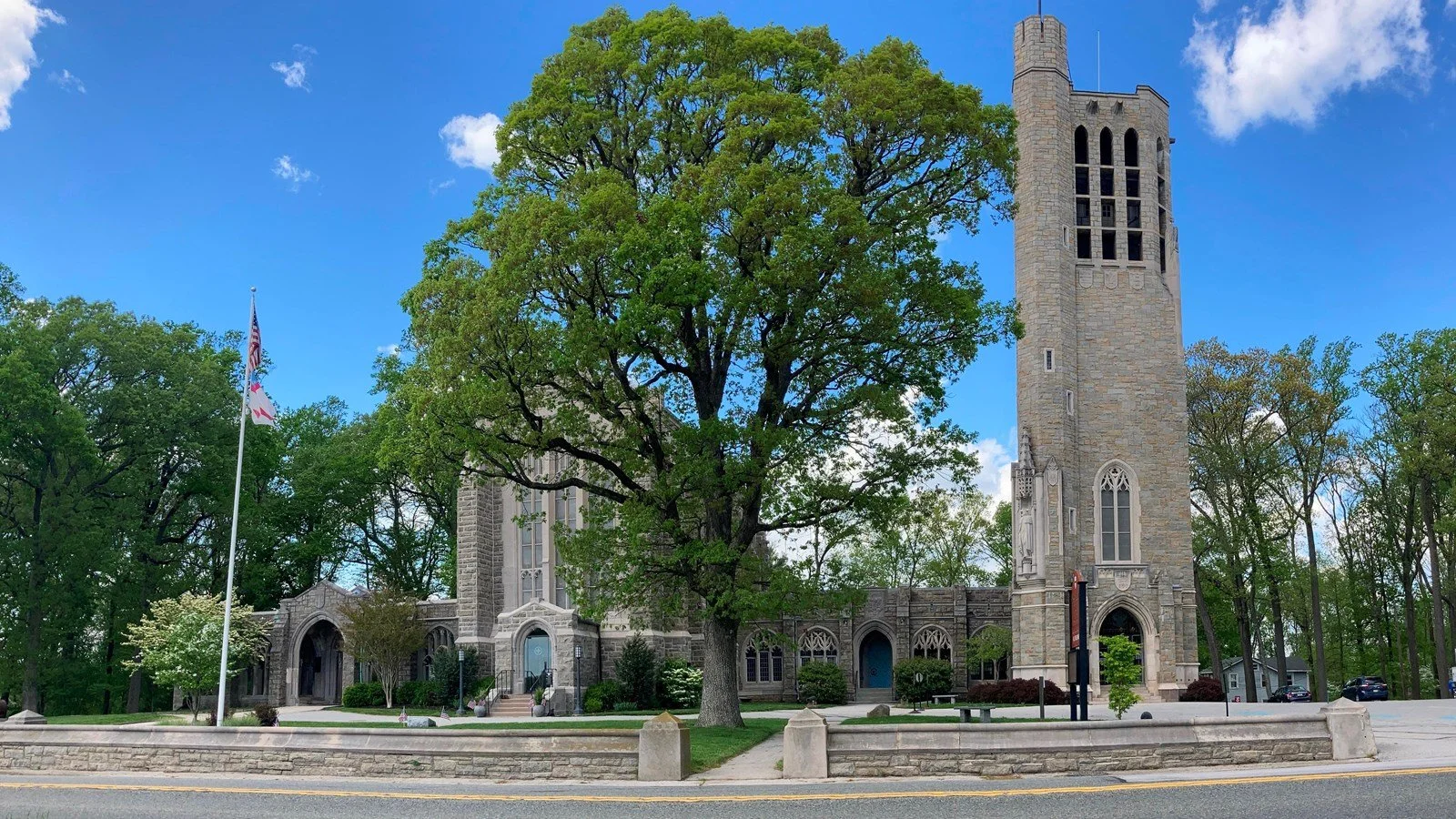
Milton Bennet Medary Jr. (1874-1929) was the lead architect of the Washington Memorial Chapel at Valley Forge. A well-known Philadelphia architect, Medary drew inspiration from historical designs across various building types. His church designs offer a particular focus that contributed to the rise of the Gothic Revival style in the region. For example, Medary's architectural projects in the Main Line, such as St. John's Episcopal Church in Lower Merion (built in 1901) and St. Paul's Church in Chestnut Hill (built in 1931), illustrate the evolution of his style and are examples of his work. However, the Washington Memorial, built between the construction of St. John's Lower Merion and St. Paul's Chestnut Hill, is perhaps Medary's most consciously neo-Gothic and historically faithful design, and remains a stunning modern example of an American memorial to medieval Gothic architecture.
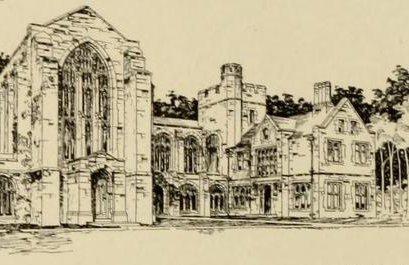
As an architect, Medary not only produced the overall design for Washington Memorial Chapel, but also assembled a talented team of artisans to bring his vision to life. He chose Nicola D'Ascenzo as the stained-glass designer, Samuel Yellin as the iron craftsman, and master carver Edward Maene for woodwork, among others. Under Medary's design plans, the chapel was built in the late Gothic Revival style, specifically modeling the Perpendicular Gothic of 15th century England and French Gothic medallion windows, as evidenced by its vertical lines and large traceried windows containing spiritual and patriotic stained glass. Contemporary critics admired Medary's results. Noted Gothic revivalist Ralph Adams Cram in 1929 praised Medary for "building better churches than any other people in the world, with the exception of England.” He cited the "exquisite Valley Forge Memorial Chapel" as a prime example. Other writers have described the chapel as an American Sainte-Chapelle. Medary's work on the chapel thus stands as a high point of American Gothic Revival, which excellently blended Gothic revivalism and American patriotism.
One of Medary’s most important contributions was shaping the concept of the chapel’s stained-glass windows. From the beginning of the proposed project, the chapel’s founder, The Rev. W. Herbert Burk, and Medary aimed to design the windows as both the spiritual and symbolic centerpiece of the church. Medary’s plans accounted for thirteen stained glass windows, one for each of the original Thirteen Colonies. Medary designed the windows in the Gothic French Medallion style that replicated and commemorated American Revolutionary themes in a spiritual context. Overall, his influence can be seen in the windows’ unified presentation through their architectural, thematic, and spiritual theme that unifies traditional Gothic architectural styles and American patriotism.
Medary drew inspiration from a variety of sources in designing the chapel, particularly from medieval Gothic stained glass, such as found in the Chartres cathedral and the Sainte-Chapelle in Paris. These churches provided models for Medary's plans and his emphasis on verticality, narrative imagery, and the use of light, principles that Medary used to create a distinctive American church in the Gothic style. Following the completion of the chapel, its rector, The Reverend W. Herbert Burke celebrated Medary’s work, stating:

"The glowing imagery of stained glass associated with perpendicular Gothic is seen in full perfection. In this respect, the chapel is comparable to the famous Sainte-Chapelle in Paris, but surpasses the European masterpiece in warmth and delicacy of execution as well as in symbolic appeal."[1]
— The Reverend W. Herbert Burk

MM
[1] Rev. W. Herbert Burk, "Valley Forge Miracles: A Sermon Preached in the Washington Memorial Chapel, 13 October 1929."
© Text copyright of Washington Memorial Chapel and courtesy of the God's Glass Project.
© Photos copyright of Sam Cornwall, licensed exclusively to Washington Memorial Chapel and courtesy of the God's Glass Project.
Unauthorized sharing or distribution of text or images from this website is strictly prohibited without written permission from the copyright holders.